Digital Democracy in Nepal: New Parties Emerge for 2026 Vote
Nepal stands at the precipice of a political transformation, ignited by the unprecedented power of digital activism and the resolve of its youth. The dramatic events of late 2025, which saw social media platforms become battlegrounds for change and even instruments for electing an interim leader, have set the stage for the crucial general elections in March 2026. This upcoming vote népal enjeux will be more than just another election; it represents a test of a nation's ability to evolve, to integrate digital democracy, and to finally chart a course towards stability after decades of tumultuous politics. With a surge of new political parties, largely driven by a disillusioned yet hopeful Generation Z, Nepal is poised for a truly unique political experiment.The Genesis of Change: Nepal's Digital Uprising
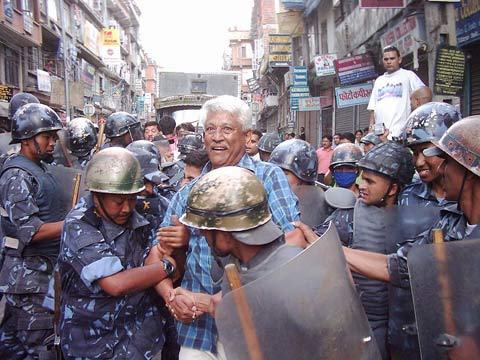
The spark that ignited Nepal's recent political upheaval was as modern as it was profound. In early September 2025, the Nepali government's decision to block 26 social media platforms, including giants like Facebook, YouTube, and X, proved to be the final straw for a youth population already exasperated by systemic corruption, political instability, and gaping inequalities. What began as an online outcry, with the powerful #Nepokids hashtag exposing the lavish lifestyles of political elites' children, quickly spilled into the streets of Kathmandu. The initially peaceful protests, demanding the unblocking of social media and the resignation of the government, took a tragic turn. Police intervention, which saw live ammunition fired at demonstrators, resulted in nearly 70 fatalities, plunging the capital into chaos. This violent crackdown led to the sacking of institutions and the eventual resignation of the Prime Minister. In an extraordinary turn of events, the subsequent search for an interim leader culminated in the election of Sushila Karki, a former Supreme Court President renowned for her commitment to judicial independence and transparency, through a poll conducted on the social media platform Discord by nearly 200,000 Nepalis. This truly global first underscored the potent and unconventional power of digital democracy. To understand the full scope of this monumental shift, delve deeper into Nepal's Gen Z Revolution: Social Media Elects a Prime Minister.A New Political Landscape: Youth, Technology, and Emerging Parties
Nepal's political journey since the 1990s has been marked by profound instability. A decade-long civil war (1996-2006) culminated in the end of the monarchy in 2008 and the establishment of a federal republic in 2015. However, the promise of stability remained elusive. A succession of coalition governments, often formed by ideologically disparate communist factions, frequently dissolved, preventing meaningful long-term governance and fostering an environment ripe for corruption and underdevelopment. This historical backdrop created a fertile ground for the growing discontent that eventually coalesced into the recent Gen Z-led movement. In the wake of the September uprising, a palpable sense of political renewal has swept across the nation. The Nepali Election Commission has reported a remarkable surge in new party registrations ahead of the March 2026 vote. Over 123 political parties have already registered, with at least 32 of these being entirely new formations, reflecting a widespread desire for fresh perspectives and genuine change. Young, educated Nepalis, many of whom actively participated in the protests, are now stepping forward to shape the country's future. Kishori Karki, a 25-year-old law graduate and protest participant, exemplifies this new wave, stating firmly, "We need new faces," as she prepares to run under the banner of one such emerging party. This influx of youth and new blood is a direct response to the deep-seated frustration with the old guard and a powerful indicator of shifting political dynamics.Nepal's 2026 Vote: Navigating Challenges and High Stakes (Vote Népal Enjeux)
The upcoming March 2026 elections carry immense weight, presenting a unique set of challenges and opportunities that will define Nepal's trajectory for years to come. The central enjeux (stakes or challenges) revolve around the nation's capacity to translate digital activism into sustainable political reform and to finally break free from its cycle of instability.Key Challenges for the 2026 Vote:
- Sustaining Momentum and Bridging Divides: While Gen Z's digital revolution was powerful, the challenge lies in sustaining this momentum beyond protests and into tangible electoral and governance reforms. Furthermore, bridging the gap between a digitally-savvy youth and the broader, often rural, population that may have limited internet access is crucial for inclusive political participation.
- Combating Corruption and Promoting Transparency: Corruption has been a chronic issue, eroding public trust. New parties and leaders will face immense pressure to demonstrate genuine commitment to transparency and accountability, ensuring that promises made during the campaign translate into real policy and action.
- Forging Stable Coalitions: Nepal's parliamentary system has historically struggled with stable governments. The sheer number of new parties, while exciting, also presents a challenge in forming durable coalitions capable of effective governance. New leaders must learn to negotiate and compromise without sacrificing their core principles.
- Integrating Digital Democracy Ethos: The "Discord election" of Sushila Karki was a global first. The 2026 elections will test how (or if) the principles of digital engagement, direct citizen participation, and rapid feedback loops can be integrated into traditional electoral processes and legislative decision-making.
- Reconciliation and Healing: The violence of the September protests left deep scars. The new government will need to prioritize reconciliation, justice for victims, and healing societal divisions to foster a more unified national identity.
Tips for New Parties and Voters:
For the multitude of new parties emerging, building trust and a clear identity will be paramount. They should:
- Develop Clear Manifestos: Go beyond general promises of change. Articulate specific policies for economic development, anti-corruption, education, and healthcare.
- Engage Grassroots: While digital outreach is effective, traditional door-to-door campaigning and community engagement are vital to connect with diverse voter bases, especially outside urban centers.
- Prioritize Ethical Conduct: Uphold the values of transparency and integrity that fueled the youth movement, setting a new standard for Nepali politics.
For Nepali voters, navigating this fresh, yet complex, political landscape requires informed engagement:
- Research Thoroughly: Scrutinize the platforms and backgrounds of both new and established candidates. Don't be swayed by rhetoric alone.
- Demand Accountability: Hold candidates and parties to their promises. Post-election, stay engaged and hold elected officials accountable for their actions and commitments.
- Participate Actively: Beyond voting, consider joining community discussions, engaging with local representatives, and using digital platforms constructively to contribute to policy debates.